How To Choose Between Piston And Screw Air Compressors
The wrong air compressor can drive up energy costs, create maintenance headaches, and struggle to keep up with your production demands. Piston and screw compressors each have distinct strengths, making the right choice dependent on factors such as air demand, operating hours, pressure requirements, and available space.
A clear comparison can help you avoid investing in equipment that does not suit your application. An experienced air compressor supplier in UAE can also help match the compressor to your operational needs.
Understand how piston compressors work
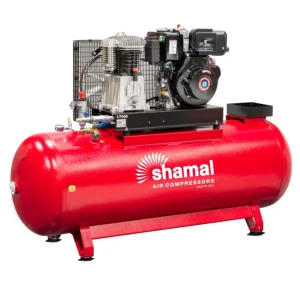
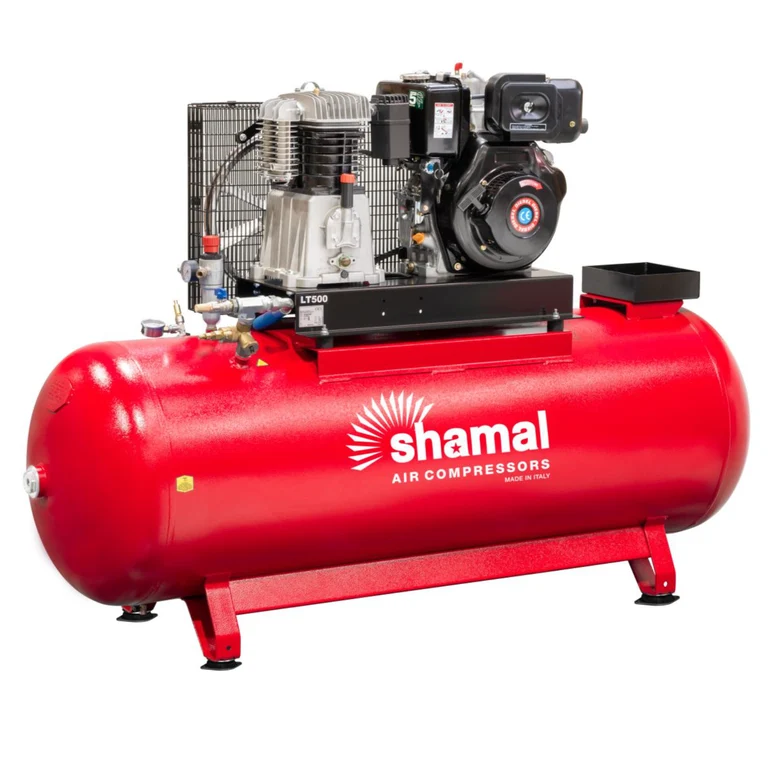
Piston compressors use a reciprocating piston to compress air inside a cylinder. Their straightforward design makes them suitable for workshops, small manufacturing units, garages, and businesses with occasional compressed air needs.
These machines generally cost less upfront and offer simple maintenance. However, they produce more noise and heat during operation. Their duty cycles also limit their suitability for facilities that require continuous airflow throughout the working day.
Explore the benefits of screw compressors
Screw compressors use two rotating screws to compress air continuously. Their design supports uninterrupted operation, making them suitable for large manufacturing plants, production lines, and industrial facilities.
They deliver a steady air supply and generally operate more quietly than piston models. Many modern screw compressors also feature energy-saving systems that adjust output according to demand.
Compare air demand and working hours
Daily air consumption plays an important part in compressor selection. Businesses with occasional air requirements can usually operate efficiently with a piston compressor. However, factories running pneumatic tools, automated machinery, and production equipment throughout the day benefit from screw compressors.
Buyers should calculate required airflow, pressure, and operating hours before deciding. Matching compressor capacity with actual demand also prevents unnecessary energy consumption.
Consider maintenance and operating costs
Both compressor types require regular servicing, but their maintenance schedules differ. Piston compressors generally feature simpler components, making routine repairs relatively straightforward. However, frequent operation can increase wear on their moving parts.
Screw compressors usually offer longer service intervals, although their specialized components and servicing can increase maintenance expenses. Buyers should compare electricity consumption, replacement parts, servicing costs, and expected equipment lifespan before choosing a model.
Select a compressor that suits your business
The right compressor supports daily production without unnecessary expenses. Piston models suit smaller operations with intermittent air requirements, while screw compressors accommodate demanding industrial applications and extended operating hours.
Businesses should also consider available space, noise levels, installation costs, and future production plans. Comparing these factors helps buyers choose equipment that delivers reliable performance and meets their operational needs.